Nagata, Nduka, assistant coach Bakewell reflect on Japan's loss
- 2523
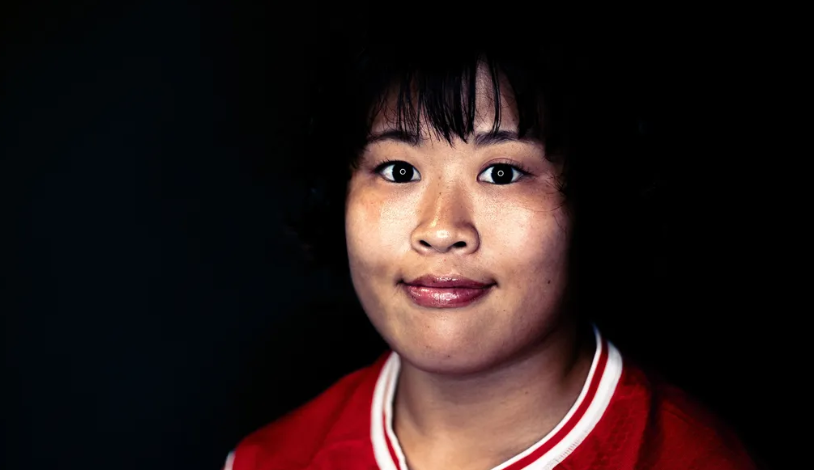
Nijiho Nagata
On her focus point when coming on in the second half against Ireland:
“In the first half, we couldn’t play our style of rugby. We made errors that were uncharacteristic of us and Ireland broke through us. Watching from the bench, I kept in mind that once I got onto the field, I needed to carry hard and get over the gain line, even just a little. Since I was able to execute that, I think it had a positive impact on the attack.”
On how preparation has changed compared to the last tournament:
“Having three years between the last tournament and this one has given me more composure. I’ve also been more careful about how I spend my off time. I make sure to set aside time to think about rugby, but I also value the time to switch off. I don’t completely relax, but managing that balance has had a positive effect on my performance.”
On where Japan wants to outperform the Black Ferns, and facing her former Blues teammates:
“Our strength is our high work rate, so we want to generate tempo and momentum that leads to tries. New Zealand players are very fast, even the props when it comes to short sprints. At the Blues, I was probably the slowest in that position. To deal with that, I want to cover well with quick reactions.
"Personally, when I went to New Zealand two or three years ago, I did so with the mindset that if I ever had the chance to play against them, I wanted to win. So, when this matchup was fixed, I was really happy and saw it as a great opportunity. That said, I just want to calmly go about my performance as usual.”
On reflections from the start of the match against Ireland:
“I think the starting members felt the pressure of playing the opening match of such a big tournament like the World Cup. Also, from a sense of responsibility, there was an eagerness to execute the game plan, which at times led to passive carries. Being too passive resulted in mistakes and gave the momentum to the opposition.”
Jennifer Nduka
On her motivation for the next match:
“Our issue was that we couldn’t play our style of rugby. Watching from the outside, I felt everyone’s energy, which was very inspiring. So, in the next game, we want to play the rugby that we’ve been building as a team. Personally, I want to focus on carrying strongly and defending by getting over the gain line.”
On where Japan want to outperform the Black Ferns:
“Japan’s strength is our resilience. Even against bigger opponents, we want to keep moving forward, apply pressure in defence, and show our execution as a team. On attack, we want to stick to what we’ve trained and turn that into points.”
On what she is wary of about New Zealand:
“Their effective offloads, as seen in the match against Spain, so we need to be thorough in cutting them off. Also, since they are powerful ball carriers, I want to make sure to go low in my tackles.”
Mark Bakewell, assistant coach
On how the team addressed the lineout errors from the previous game:
“We identified that the errors were around our basic fundamentals. It wasn't about the opposition, it was about us. Our relevant people have said that there was a high degree of nervousness in the first round of the World Cup, which we’ve accepted. We've said this week that fixing the individual fundamentals will make for a more functional lineout, whether it was the throw, the drill, or the delivery. We've identified those three, and we’ve also worked out that tactically there wasn't an issue.
"What I’m very clear on with the girls - and what we’ve spent a lot of time on as a group - is identifying both the strengths and the challenges of our set piece.
"I worked out a long time ago that there were two big issues with our lineout. One was that we couldn't throw past 10 metres. We've worked a lot on that, and I’ve got so much respect for the hookers who've done the work. Every time we're in camp they work relentlessly to throw from 5-15 metres, and we knew we couldn't go into the World Cup throwing only 5-10 metres. As I said, we identified there were a few throws that were just a bit too big.
"When I took over this job, the idea of trying to exploit the middle tail of the lineout wasn't possible. I’m not a passive coach. I want us to be our best within the capabilities of the rules. We work very hard, and I stand by them 100 per cent—and I know they stand by me. Going into that game, over the last three tests we had lost only three or four lineouts out of about 60.”
On how the maul game is becoming a strength for Japan:
“It’s just the technical detail of the setup and the ability to create a weakness in the opposition. If you're going straight and you can feel that they're splitting, you keep going. If it's tipping to one side or the other, you apply technical detail to work with the side that is effectively the weaker side.
"I don't see our size as a disadvantage. I’ve turned it into an advantage. I’ve said if we're technically perfect, which obviously no one ever is, we can maul underneath our opposition and do a lot of damage.
"I think in scrum and maul time you have to make your disadvantage into an advantage, so you do everything closer to the ground. That was one of the challenges for me as a coach: to create advantages. One thing that upsets me from last weekend is that, because of the fundamentals such as the throw, drill, and the delivery, we didn't get to maximise our maul capacity. However, we are under no illusion about how difficult this week is going to be, whether it's off the top, down-and-feed delivery, or maul delivery - it’s a very big game.”
On how well the team is prepared against New Zealand:
“As a forward pack we know it’s such a big challenge, and we are under no illusion. There's massive respect for the Black Ferns forward pack, but the thing I’m very mindful of is going onto the field with the right mindset. I was lucky enough to coach many years in the Premiership, and the forward game is so important up here, and I still have that mindset. You don't bow to anyone. You set your standards.
"From a team perspective, we don't bow to anyone, so we'll give 100 per cent across the park and make sure that we make all the Japanese people at home proud. However, using the word passive would be wrong, because whether it's our attack, defence, or set piece, we’re not going to have a passive mindset.”